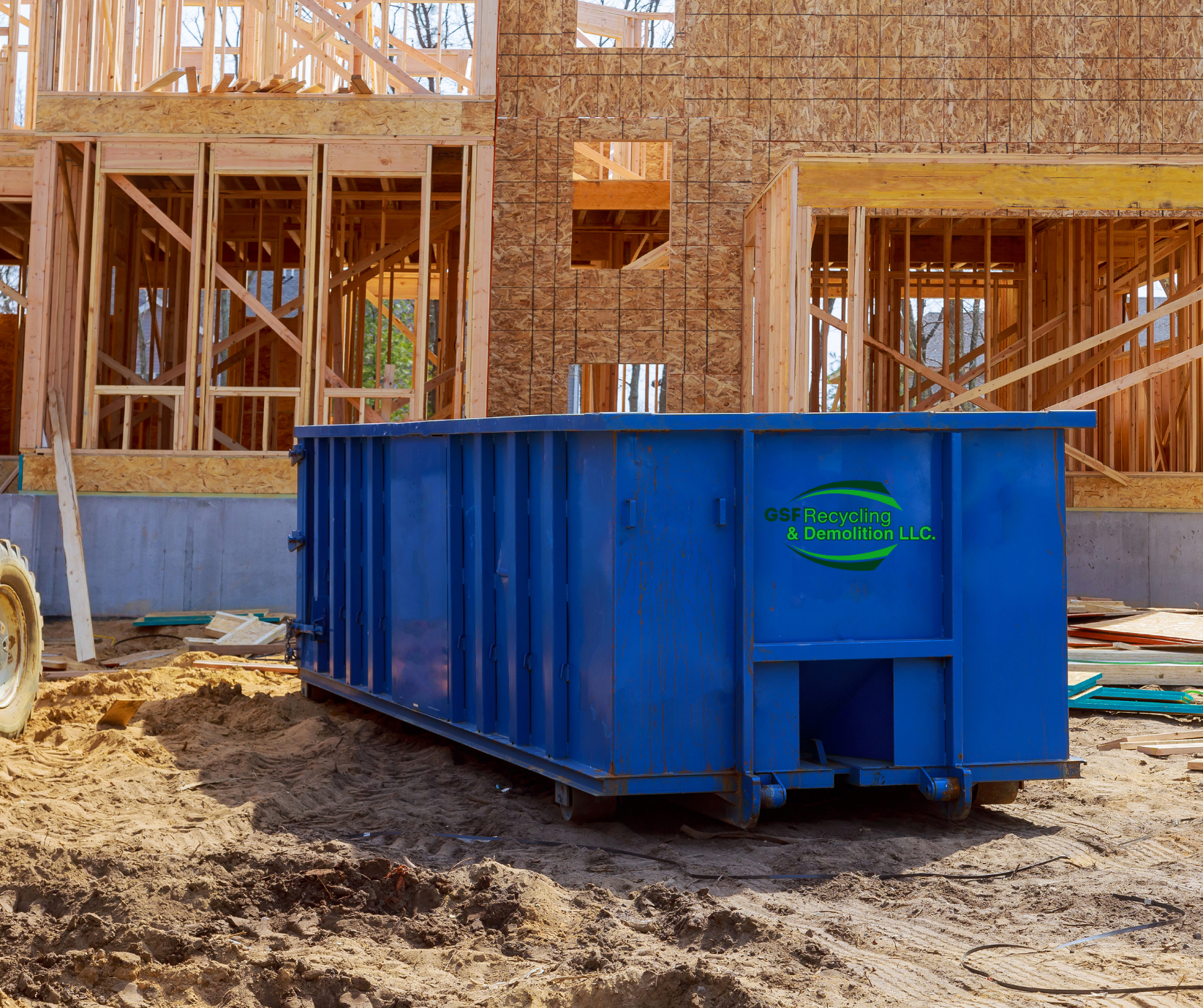
On busy jobsites across Jacksonville, FL, construction site clean-up is one of the most important factors in keeping crews safe and projects on track. A clean, organized site reduces hazards, improves workflow, and helps you stay compliant with local safety and environmental rules.
Why Construction Site Clean-Up Matters
Safety First
Loose debris, offcuts, and scattered materials can create tripping hazards, puncture risks, and blocked exits. Regular clean-up keeps walkways clear, staging areas organized, and equipment paths open so workers can move safely around the jobsite.
Better Efficiency and Workflow
When tools, materials, and waste are managed properly, crews spend less time looking for supplies or working around piles of debris. This leads to smoother trade handoffs, fewer delays, and more predictable schedules for Jacksonville projects of all sizes.
Regulatory Compliance
Construction sites in Jacksonville must follow safety and environmental regulations, including proper debris handling and stormwater protection. A structured clean-up plan supports compliance, helps avoid fines, and shows inspectors that the site is being managed responsibly.
Environmental Responsibility
Separating recyclables, keeping debris contained, and using approved disposal facilities reduces the environmental impact of your project. Recycling concrete, metal, and other materials wherever possible supports more sustainable construction practices in Northeast Florida.
Best Practices for Construction Site Clean-Up
- Establish a clean-up schedule: Plan daily end-of-shift clean-ups and deeper weekly sweeps so debris never gets out of control.
- Designate waste and recycling areas: Use clearly labeled containers for wood, metal, concrete, cardboard, and general trash so crews know where everything goes.
- Provide the right equipment: Brooms, shovels, wheelbarrows, skid steers, and roll-off dumpsters all play a role in moving and containing debris.
- Train your team: Make site cleanliness part of your safety orientation and toolbox talks so everyone understands expectations.
- Assign responsibility: Supervisors or lead hands should monitor clean-up tasks, especially at high-traffic areas and exits.
Using Roll-Off Dumpsters and Recycling in Jacksonville
Roll-off dumpsters are one of the most efficient tools for controlling debris on construction and demolition projects. In Jacksonville, 15, 20, 30, and 40 yard containers are commonly used to handle everything from small remodels to major tear-downs.
- Place dumpsters close enough to work areas to minimize carrying distance, but not where they block driveways, sidewalks, or emergency access.
- Use multiple containers or well-marked areas if you are separating recyclables like concrete, metal, and cardboard from general debris.
- Coordinate delivery and swap-outs around key phases of your schedule, such as demolition, framing, and final clean-up.
Leveraging Simple Technology to Stay Organized
You do not need complicated platforms to keep clean-up under control. Simple checklists, shared calendars, and photo documentation from the field can help track tasks and keep everyone accountable.
- Use shared schedules so crews know who is responsible for daily and weekly clean-up.
- Document issues with photos and short notes so they can be corrected quickly.
- Work with local partners that offer digital estimates and clear communication for demolition, dumpster rental, and debris hauling.
When clean-up is built into your plan from day one, your Jacksonville jobsite is safer, more professional, and easier to manage. Pairing strong on-site habits with reliable debris removal and recycling support sets your project up for success.